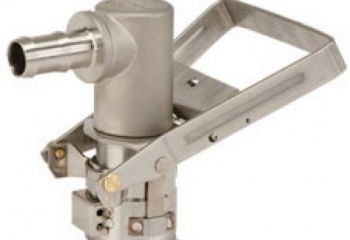
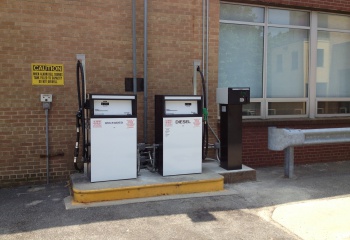
No one likes to throw away money on gas. If you are like most people and organizations then you are constantly looking for ways to save a few pennies or cut expenses to help your business grow. Fuel is most often the second largest expense after payroll. One of the most cost effective ways to reduce expenses is installing a fuel management system. In today’s economy your business or fleet cannot afford to live without one.
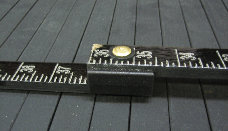
Tank gauging/monitoring is an important aspect to maintaining above ground and underground tanks. That is why tank gauge sticks are used, it’s primarily used to measure the depth of liquid in a tank. The common best practice for measuring tanks are: First apply gas gauging paste on the stick, slowly lower the gauge stick, let the stick gently touch the bottom, and quickly bring it back up. Read the depth of the fuel indicated by the wet mark on the stick to the nearest 1/8 inch.
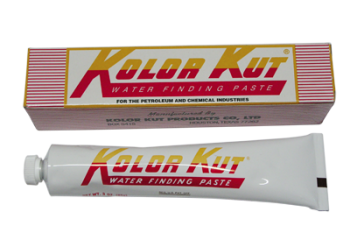
Have you ever wondered how water finding paste works? It is simple and is primarily used to detect the presence of water in your fuel tank. It is very easy to use, first you take a gauging stick and apply a thin layer of paste on it. The paste will turn from yellow to bright red with the presence of water.
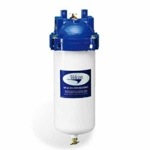
A common question arises when customers want to know which application is best suited for the different Velcon filter housings. There are 4 different filter housings that come to mind and they’re VF-31E, VF-61, VF-61 E, and VF-62. These filter housings are meant for unique applications such as Jet Fuel, Aviation Gasoline, Motor Gasoline, Diesel Fuel, Oils, Compressed Air and other gases. Now the way I would distinguish the difference between them all is primarily through flow rate.